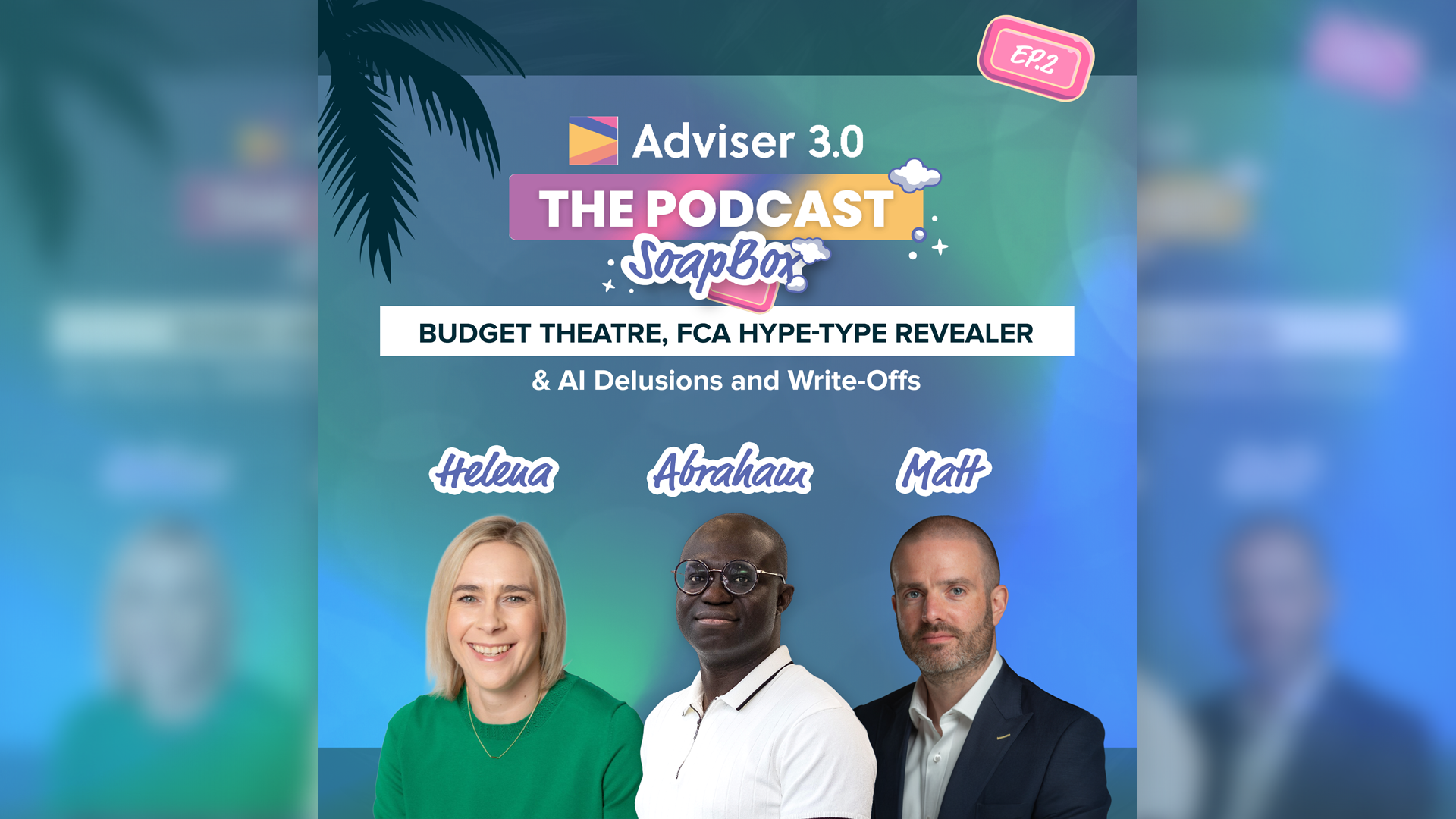
SoapBox Ep.2 - Budget Theatre, FCA Hype-Type Revealer & AI Delusions and Write-Offs
Where Ambition Meets Avoidable Chaos in the AI Rush
The financial services sector is pushing hard to embrace artificial intelligence, yet many firms are discovering that ambition alone is not enough. The industry’s latest misstep, a £900k write off after an abandoned AI project, reflects a much wider pattern. Big claims, overconfident timelines and unclear objectives continue to generate costly failures rather than practical tools. Independent research on corporate AI initiatives highlights the scale of these failings. The results are growing frustration and a widening gap between what leaders expect from AI and what it can realistically deliver today.
Why AI Projects Keep Stalling Before They Deliver Value
Across the profession, AI adoption is running headfirst into its own limitations. Many teams underestimate the complexity involved, misjudge the skills required or fail to define the problem they are trying to solve. Procurement decisions are influenced by hype rather than operational clarity, which often leads to builds that do not align with real adviser workflows. AI is a language tool designed to predict patterns. It is powerful, but without guardrails, domain knowledge and integrated systems behind it, it creates as many problems as it solves. For those exploring the foundations of these models, resources from OpenAI research are becoming widely referenced inside the industry.
What Firms Can Learn from the £900k Error
The lesson is simple. AI cannot succeed without clear use cases, strong data foundations and a realistic understanding of how human advice operates. Matching technology with the actual decision processes of advisers and clients is essential. When firms skip that step, the technology becomes an expensive proof of concept with no practical application. The cost is not only financial. Failed projects also stall confidence, delay innovation and undermine the credibility of the wider profession.
The FCA’s Hype Type Move and the Shift Toward Engagement Tools
While the industry wrestles with large scale AI deployments, the FCA is testing a different strategy. Its gamified hype type tool aims to reach unadvised consumers on the platforms they already use. The tool forms part of the wider set of ScamSmart resources available through the FCA’s ScamSmart hub. The experiment highlights a growing move toward interactive, behaviour driven education. Instead of long guidance notes that few people read, the regulator is trialling formats that mirror social communication and digital engagement trends.
Budget Rumours, Tax Changes and the Growing Client Uncertainty
The latest budget cycle created significant disruption, driven largely by speculation long before the Chancellor delivered anything concrete. For advisers analysing official detail, the core publications are available on the GOV UK Budget documents page. Changes to VCT reliefs and future limits on salary sacrifice shaped headlines and fuelled client anxiety. Withdrawals jumped, tax free cash rumours resurfaced and advisers fielded questions that came from fear rather than informed planning. This cycle of expectation and reaction continues to challenge advisers who rely on stability to help clients plan with confidence.
The Advice Gap and the Future of Client Experience
A key discussion point within the profession is the widening advice gap and how future generations will expect support. Data from the ONS on household wealth shows how unevenly wealth is distributed across the UK, which influences who can access advice today. Many clients entering the workforce now experience digital services that are immediate, low cost and available at any time. As targeted support and automated tools become more accessible, advisers may face pressure to refine service models, improve turnaround times and justify higher fees through expertise and trusted relationships.
When Pension Transfers Become a Two Year Ordeal
Long delays in pension transfers remain a persistent frustration. Some providers still rely on processes that predate modern administration. Clients forced into lengthy guidance calls must often speak with services such as MoneyHelper before their cases can progress. Instances where transfers take more than a year highlight that delays are not isolated events but symptoms of deeper operational issues. These challenges affect trust in the profession and reinforce the need for modern, integrated systems.
Looking Ahead: Practical Innovation Rather Than Expensive Promises
The stories shaping this episode of Adviser 3.0 The Podcast reflect an industry at a crossroads. AI presents enormous potential, yet meaningful progress requires clarity of purpose and thoughtful design. Advisers continue to navigate regulatory change, client behaviour and structural issues that limit efficiency. The firms that will thrive are those that combine emerging technology with transparent communication and a service approach grounded in consistent delivery. The roots of this approach echo early mass market practices pioneered by providers like Prudential, although the tools look very different today.