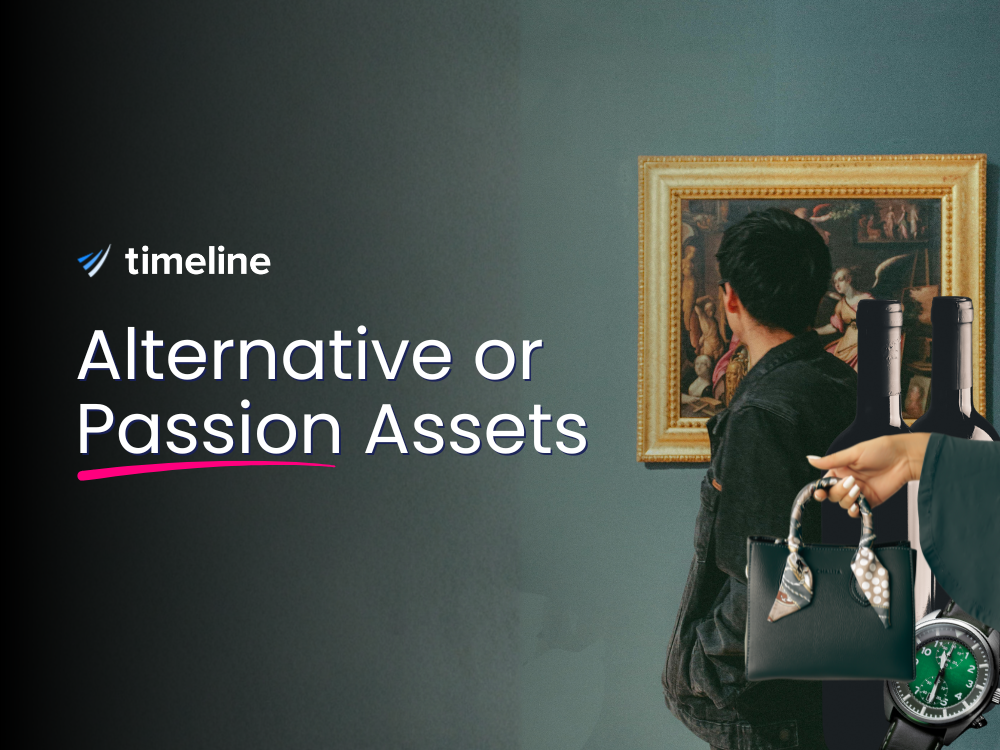
Fine wine, classic cars, luxury watches, art and designer handbags can all be enjoyable to own. But can they also earn a place in an investment portfolio?
When traditional markets feel uncertain, tangible assets can be particularly appealing. They are physical, often scarce and, unlike a fund holding or share certificate, can offer cultural, aesthetic or personal value while they are owned.
That combination has helped create increasingly visible secondary markets for so-called “passion assets”. Yet the investment case is much more complicated than the headlines sometimes suggest.
Why passion assets appeal
The appeal of owning something different
The value of passion assets is influenced by a very different set of factors from shares and bonds.
A classic car may be prized because of its racing heritage, originality and ownership history. The price of a fine wine can depend on its producer, vintage, condition and provenance. For luxury watches and handbags, brand prestige, scarcity and changing collector tastes can all play a part.
This can make their performance appear less closely connected to day-to-day movements in financial markets. But different does not necessarily mean dependable, or diversified.
Different does not necessarily mean diversified
Returns are often concentrated in a relatively small number of exceptional items.
A handful of highly sought-after watches, handbags or artists may command remarkable prices, while much of the wider market depreciates or struggles to find buyers.
Beyond the headline price
The price you see may not be the return you receive
Performance indices and auction results can create an incomplete picture of what owners actually experience.
Passion assets generally produce no income. They may also bring substantial costs, including:
✓ Auction, dealer or platform fees
✓ Authentication and valuation
✓ Insurance
✓ Secure or climate-controlled storage
✓ Transportation, maintenance and restoration
There is also no continuously traded public market for a particular bottle of wine, painting or classic car. An estimated valuation is not necessarily the price an owner could achieve, particularly if they need to sell quickly.
Condition, provenance and authenticity matter enormously. A poor restoration, incomplete service history, uncertain ownership record or undetected counterfeit can materially affect an asset’s value.
Understanding the numbers
Performance can be highly selective
Some passion assets have experienced periods of strong appreciation. They have also experienced corrections, long periods of weaker demand and substantial differences between individual items.
This creates an important distinction between enjoying an asset that might retain some value and relying on it to deliver a particular investment outcome.
A note on historical performance
Historical indices can focus on the most frequently traded, desirable or valuable items. Their results may not represent the experience of someone buying a typical watch, handbag, bottle of wine or work of art.
Any comparison with conventional investments therefore needs to account for differences in liquidity, income, costs, pricing methods and the availability and quality of historical data.
The bigger picture
Enjoyment first, potential return second
Passion assets can provide something that a conventional investment portfolio cannot: the pleasure of wearing, driving, displaying, collecting or sharing what you own.
That may be a perfectly valid reason to buy them. But it is different from building a long-term investment strategy around diversified, transparent and liquid assets.
Our latest research
Five passion-asset markets under the microscope
Our latest research explores five prominent passion-asset markets:
✓ Luxury handbags
✓ Fine wine
✓ Fine art
✓ Classic cars
✓ Luxury watches
It examines what drives their value, how their markets work and the practical risks and costs that can disappear behind eye-catching auction results.
Conclusion
Can you really invest in what you love?
Passion assets can offer something different from conventional investments, not least the enjoyment that comes from owning them. But their markets can be illiquid, their costs significant and their performance highly dependent on the individual asset.
The broad conclusion is simple: buy something because you value owning it. Treat any financial return as possible, rather than promised.
Want to explore the research further?
Whether you want to dig into the detail yourself or share the key considerations with clients, we’ve created two versions of our passion assets research.
For financial advisers
Explore the evidence, risks, costs and practical considerations across five prominent passion-asset markets.

For your clients
A clear, accessible guide designed to help clients understand the potential appeal, risks and practical considerations of passion assets.