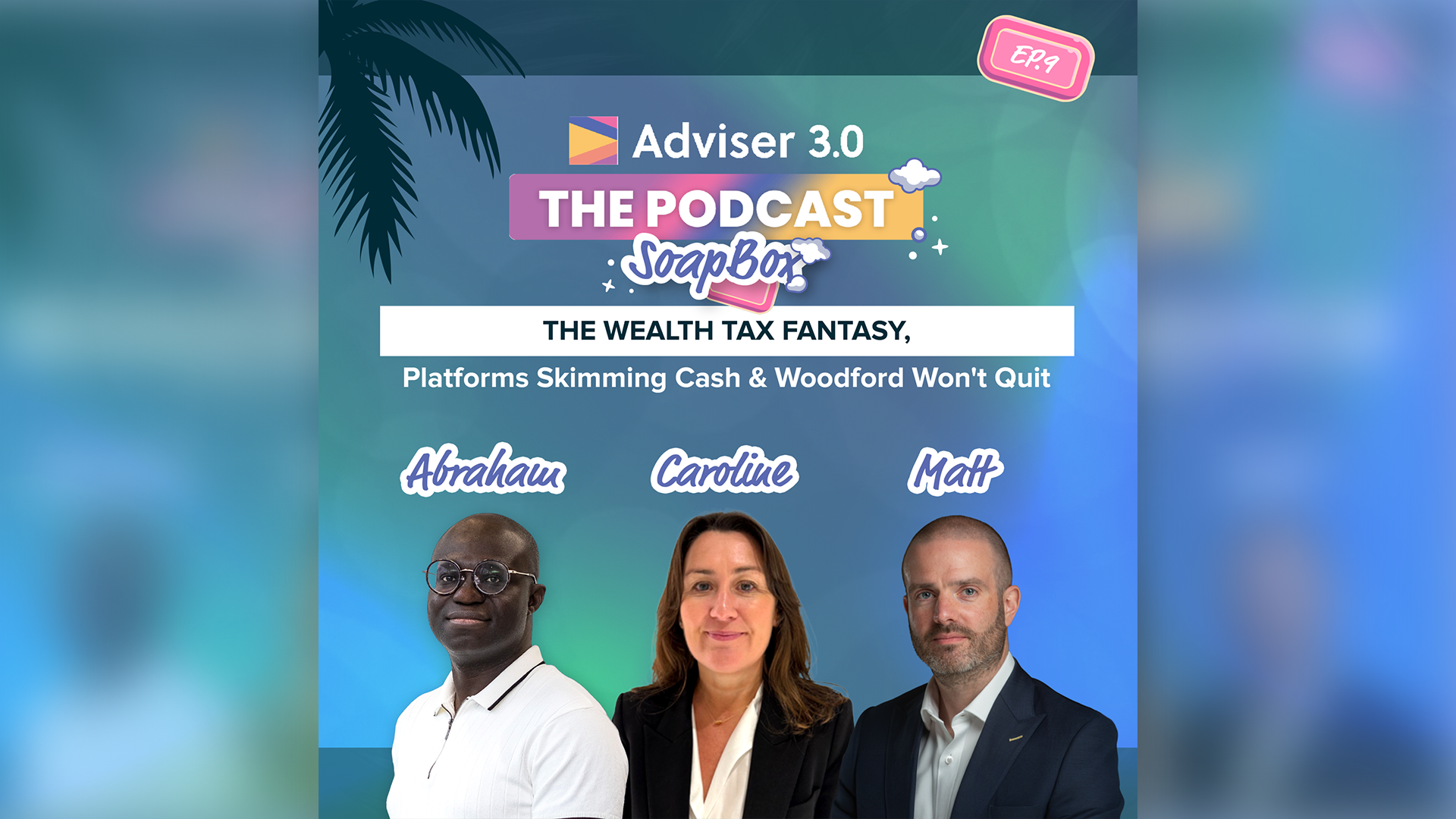
Matt Pitcher and Abraham Okusanya are back around the SoapBox, and this week they are joined by Caroline Hawkesley, Managing Director of Craven Street Wealth. What follows is a proper debate: tax, platform charges, the future of the profession and, as ever, a couple of names in the doghouse.
The Tax Speculation Trap
Every time a Budget looms, the economy holds its breath. With a new government expected under Andy Burnham and £4.7bn of defence spending still unfunded, the guessing game over what gets taxed next is already in full swing. Abraham's frustration is with the cycle itself: households and businesses freeze, delaying spending and investment decisions until they know where the axe falls.
The panel picks apart the two loudest voices in the room. Dan Neidle has mapped out 37 different ways the money could be raised, each with its own downside. Gary Stevenson, fresh from his Channel 4 outing, wants a 2% wealth tax on everything above £10m. Abraham's verdict on the latter is blunt.
"Wealth taxes are a fantasy. They never raise what the politicians promise, and the money simply walks out the door."
Caroline turns the argument around. Instead of asking who to tax, she asks what we are no longer willing to fund. Means-testing the state pension, charging for GP appointments, treating universal benefits as anything but sacred: the harder conversation, she argues, sits on the spending side, not the revenue side.
The Cash Skim Nobody Will Ban
Abraham's news item is one that keeps resurfacing in the trade press: the interest platforms quietly earn on clients' cash. The FCA wants firms to disclose it more prominently. Abraham, who runs a platform himself, thinks disclosure misses the point entirely.
"A platform cannot skim your dividends or your bond coupons. So why on earth is it allowed to take a cut of the interest on your cash?"
Matt agrees that clearer rules would level the playing field, while Caroline makes the point that comparing total cost across platforms is near impossible when a charge like this hides in the plumbing. The consensus: more transparency is welcome, but an outright ban would be cleaner.
Who Builds the Adviser of 2030?
Caroline's topic is the one the profession keeps kicking down the road. The adviser population is ageing, the gender balance is skewed, and the exams that qualify people to give advice teach almost nothing about running a business or leading a team. Academies and grow-your-own models are starting to fill the gap, with universities like Coventry doing genuinely useful work, but the panel worries it is not happening fast enough. Layer AI on top and the job itself starts to change shape.
"We are not looking far enough ahead. The financial planner of the 2030s will be almost unrecognisable, and we are barely training for it."
Abraham's takeaway? Be more Caroline.
The Shoe Box
No SoapBox is complete without a visit to the Shoe Box, where a couple of names get a well-earned roasting. First up, Neil Woodford, now facing the FCA over his subscription research service and the question of whether it strays into regulated advice. Love him or loathe him, his knack for bouncing back draws a certain grudging admiration.
Then Terry Smith, who turned over more than half of his portfolio in six months and wrote a 17-page letter pinning the blame on the rise of index investing. For a manager who built his reputation on "buy good companies, do nothing", abandoning the mantra is, the panel agrees, exactly where the credibility drains away.